
email
info@aonmining.comCALL US
+8616638337976
CALL US
+8616638337976
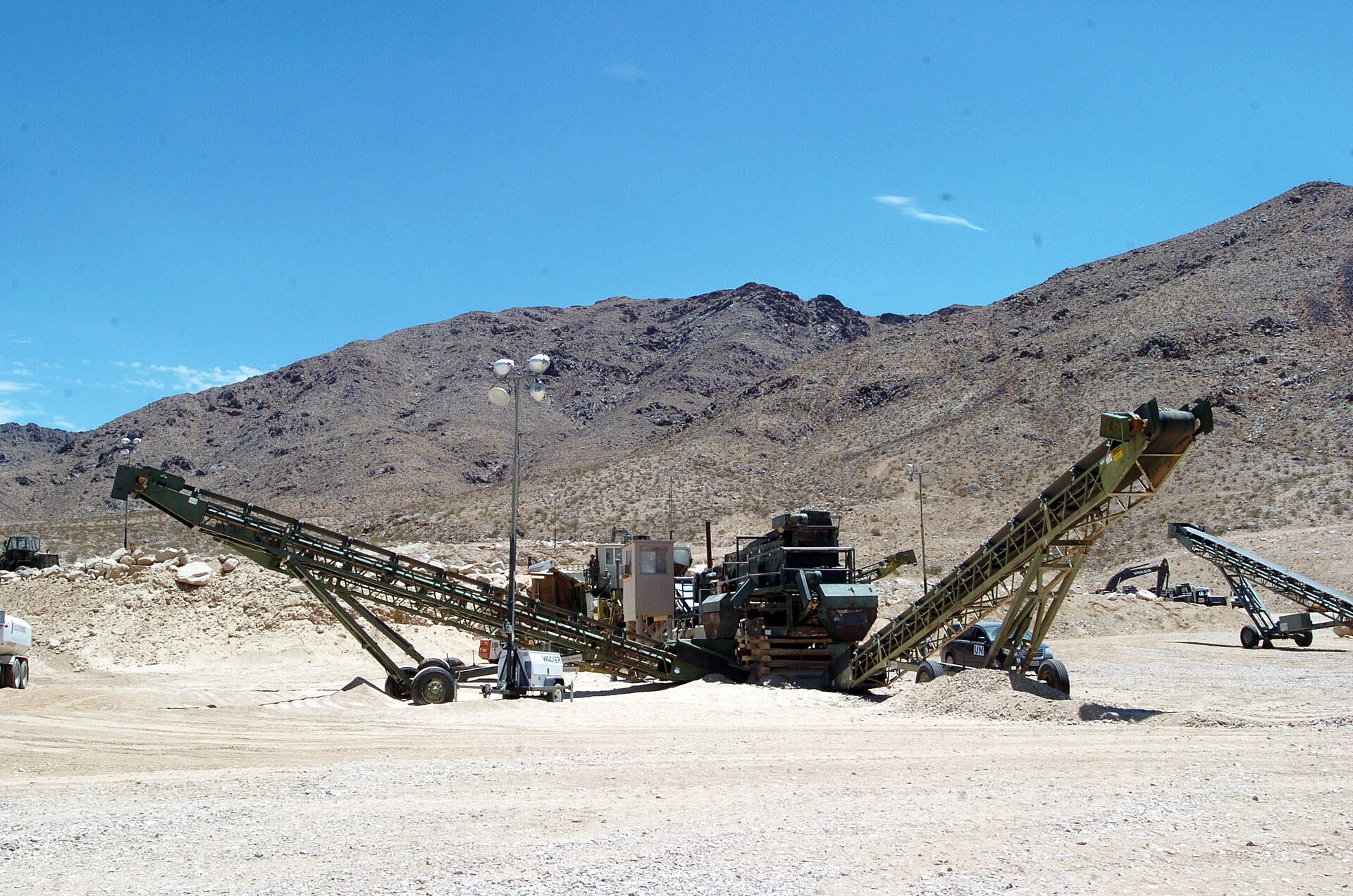
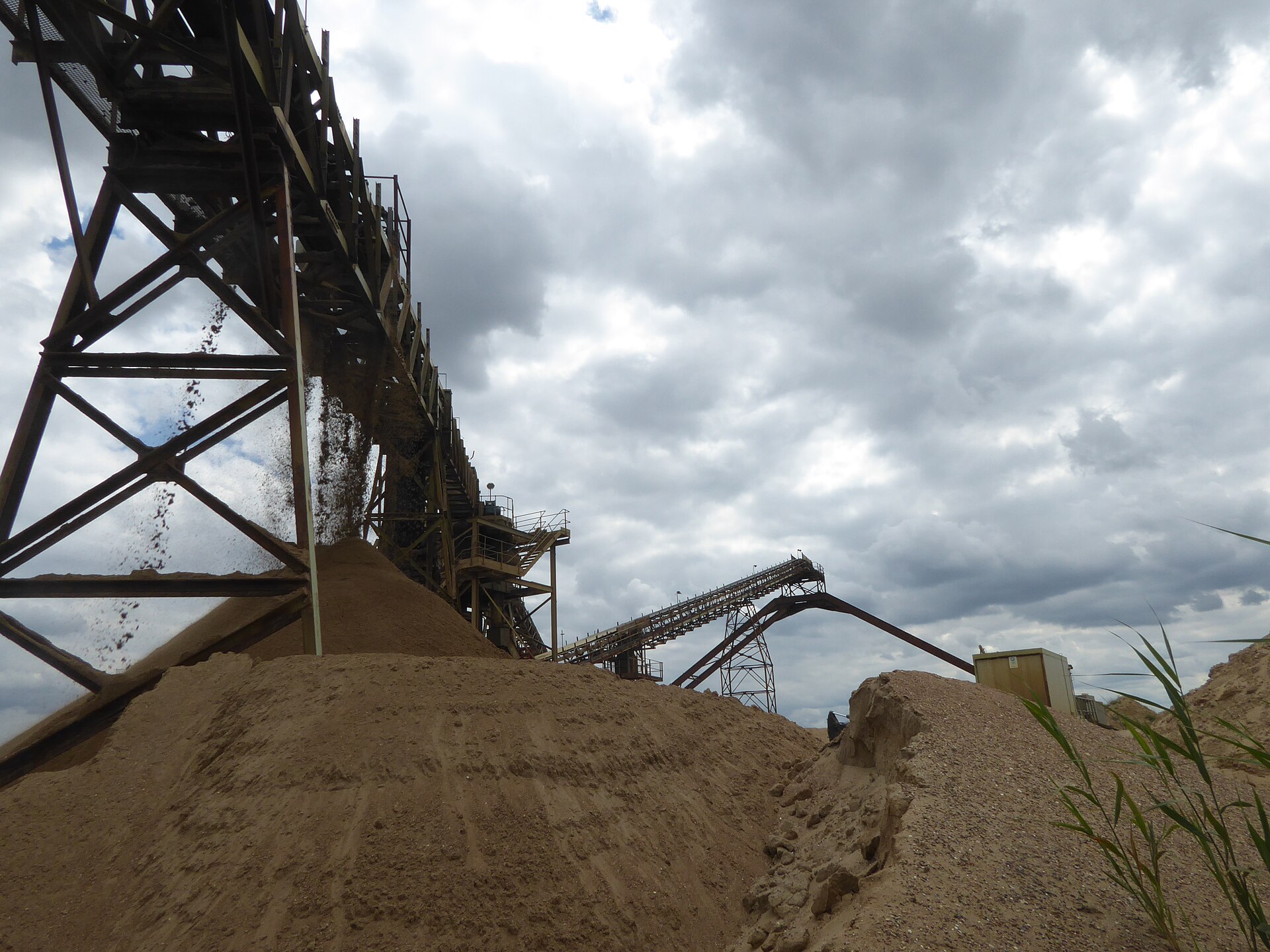
In Lampung Province, Sumatra, we designed and delivered a complete EPC basalt crushing plant for an Indonesian construction materials supplier serving a highway project. The plant produces 300 t/h of cubic aggregate in four sizes to the Indonesian SNI standard, using a PEV1000 jaw crusher, an HP300 cone crusher, a VSI900 sand maker and YK vibrating screens. It reached 320 t/h in operation — above the design figure — and was commissioned 3.5 months after contract, including sea freight. This is how the project was solved.
The client is a leading construction materials supplier in Indonesia, supplying aggregate for a highway infrastructure project. Three things made this project demanding:
1. Hard, abrasive rock
The feed is basalt at Mohs 6 to 7 — hard, abrasive and unforgiving of weak wear parts. Machines that work on limestone do not work here.
2. A demanding product specification
The aggregate has to meet Indonesian SNI standards for highway construction, which means controlled gradation and, critically, cubic particle shape. Flaky aggregate fails the spec and the market price.
3. A tropical environment
Lampung sits in the humid tropics. High humidity attacks painted steel and unprotected machined surfaces, and heat stresses electrical components and hydraulic systems.
The client needed a plant that would produce to specification, in that environment, from day one — and they needed it delivered as a turnkey project, not as a pile of machines.
For hard, abrasive basalt the flowsheet is not a matter of preference. It follows from the material.
Stage 1 Primary crushing
PEV1000 European version jaw crusher
The jaw accepts the blasted feed and reduces it to a size the cone can handle. The PEV’s modular bolted frame and hydraulic setting adjustment were chosen for transport and for accurate control.
Stage 2 Secondary crushing
HP300 multi-cylinder hydraulic cone crusher
Lamination crushing produces the cubic shape the SNI standard requires, and spreads wear over a large liner surface to keep the cost per tonne manageable on abrasive rock.
Stage 3 Sand making
VSI900 sand maker
For the manufactured sand fraction, the VSI improves particle shape and allows the fineness to be adjusted to market.
Screening
YK series vibrating screens
Classifying the output into the four required products and closing the circuit on the oversize.
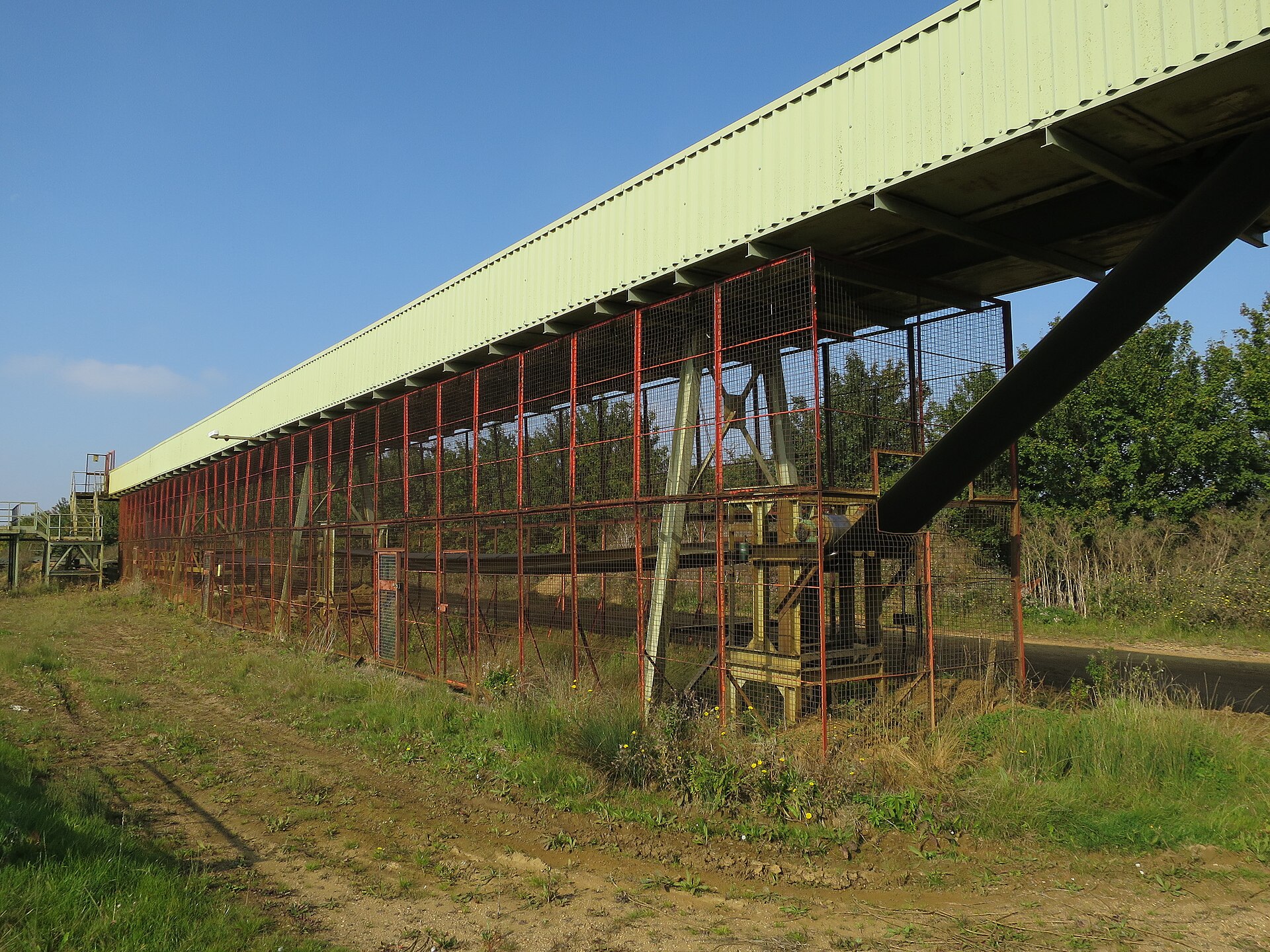
Products: 0-5 mm, 5-10 mm, 10-20 mm, 20-31.5 mm
The logic of the circuit is simple and it is the reason the plant works: the jaw takes the big lumps because that is what a jaw is for; the cone makes the shape and takes the wear because that is what a cone is for; the VSI fixes the sand. Each machine does the job it was designed for, and the wear is distributed where it can be managed.
Two design decisions came directly from the location:
– Tropical anti-corrosion design. Protective coating systems and enhanced ventilation were specified for the humid, salty coastal climate, so the plant’s steel and electrical components last in conditions that would rust an unprotected frame within a year or two.
– On-site operator training. We trained six local operators over two weeks, so the plant was run by people who understood it from the first day of production, not weeks later.
Designing for the environment is not an extra — on a tropical island, a plant designed for a European climate is a plant that fails early.
Design capacity 300 t/h
Achieved capacity 320 t/h, above design
Product 0-5, 5-10, 10-20, 20-31.5 mm cubic aggregate
Standard Indonesian SNI, for highway construction
Delivery model Full EPC turnkey, including sea freight
Timeline 3.5 months from contract to commissioning
Operator training 6 workers trained in 2 weeks
Environment Tropical high humidity, anti-corrosion design
Exceeding the design capacity matters more than it may appear. It means the plant has headroom — it can run slightly above the required figure while still producing to grade, which in a highway supply contract is the difference between meeting the programme and falling behind it.
For buyers considering a similar plant, this project makes four points:
1. Match the crusher family to the material, not the other way round.
Hard basalt needs a jaw-plus-cone circuit. An impact crusher would have been cheaper to buy and far more expensive to run.
2. Three stages are normal for hard rock aggregate plus sand. A two-stage flow would not have delivered the sand fraction or the shape spec.
3. Design for the climate. Anti-corrosion and ventilation are not optional in the tropics; they are what make the plant last.
4. A turnkey delivery protects the schedule. One party responsible for design, manufacture, shipping, installation and commissioning means the interfaces are not your problem.
With more than 300 EPC turnkey projects delivered across Southeast Asia, the Middle East, South America, Africa and Australia, this is the pattern we apply repeatedly: the material sets the flowsheet, the environment sets the specification, and the delivery model protects the timeline.
Q: How much does a 300 t/h basalt plant cost?
A: It depends on the product range, the scope of supply and the trade term. Send us your requirements and we will provide an itemised quotation rather than a figure without a scope.
Q: Why three stages instead of two?
A: Because the plant produces both aggregate and manufactured sand, and the shape specification is strict. The VSI stage is what delivers the sand quality.
Q: How long does a project like this take?
A: This one took 3.5 months from contract to commissioning, including sea freight. Timelines vary with the scope, the site conditions and the shipping route.
Q: Can you deliver to my country in Southeast Asia?
A: Yes. We have delivered projects across Southeast Asia and handle the full logistics, including shipping documents and Form E for ASEAN duty reduction.
Q: Can I visit a reference plant before deciding?
A: Where the client agrees, we can arrange for you to contact a reference project, and we welcome you at our factory for a live walkthrough.
Tell us your material, its hardness, your required product sizes and your target capacity. We will send a recommended flowsheet based on projects like this one, together with a full EPC quotation.
Email : info@aonmining.com
WhatsApp : +86 166 3833 7976
Website : www.aonmining.com
You can also read the original project brief on our Indonesia 300 t/h basalt EPC project page.
AON Mining Equipment Co., Ltd. — Zhengzhou, China
19 years in aggregate and mining equipment, 300+ EPC projects delivered.