How to Choose a Stone Crusher for Granite, Basalt and Limestone
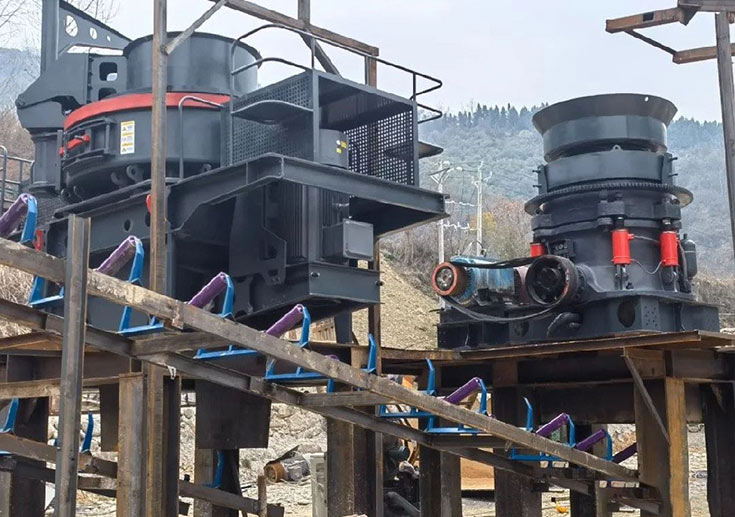
Quick answer Match the crusher to the hardness and abrasiveness of the rock. Granite and basalt are hard and abrasive (Mohs 6-7), so they need a jaw crusher for primary crushing and a cone crusher for secondary and tertiary crushing. Limestone is softer (Mohs 3-4), so a jaw crusher plus an impact crusher or a heavy hammer crusher costs less and produces a good product. Choosing by material first — rather than by capacity — is what stops a plant from being rebuilt two years after it is commissioned. The one rule that decides the crusher Material hardness and abrasiveness, not capacity, decide the machine type. Capacity decides the size; material decides the type. Get the type wrong and no amount of capacity will help. A quick reference: Material Mohs Abrasiveness Primary Secondary / Tertiary Granite 6-7 High Jaw Multi-cylinder cone Basalt 6-7 High Jaw Multi-cylinder cone Limestone 3-4 Low-medium Jaw Impact or hammer crusher River pebble 6-7 Medium-high Jaw Cone (then VSI for sand) The reason is wear. Impact crushers break rock by hitting it, and hard, abrasive rock wears the blow bars quickly — the running cost becomes painful. Cone crushers break rock by squeezing it between liners,...