
email
info@aonmining.comCALL US
+8616638337976
CALL US
+8616638337976
Match the crusher to the hardness and abrasiveness of the rock. Granite
and basalt are hard and abrasive (Mohs 6-7), so they need a jaw crusher for
primary crushing and a cone crusher for secondary and tertiary crushing.
Limestone is softer (Mohs 3-4), so a jaw crusher plus an impact crusher or
a heavy hammer crusher costs less and produces a good product. Choosing by
material first — rather than by capacity — is what stops a plant from being
rebuilt two years after it is commissioned.
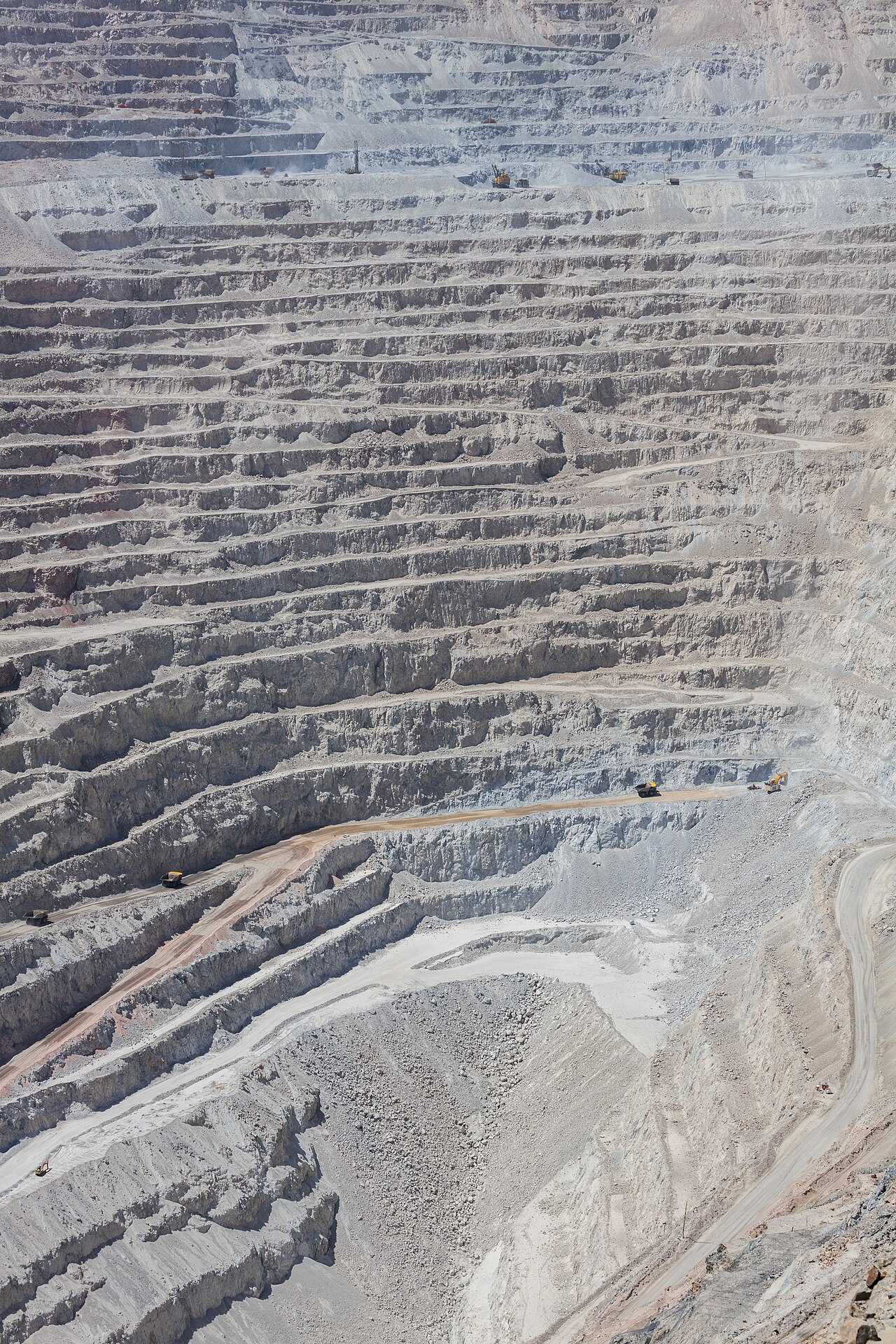
Material hardness and abrasiveness, not capacity, decide the machine type.
Capacity decides the size; material decides the type. Get the type wrong
and no amount of capacity will help.
A quick reference:
Material Mohs Abrasiveness Primary Secondary / Tertiary
Granite 6-7 High Jaw Multi-cylinder cone
Basalt 6-7 High Jaw Multi-cylinder cone
Limestone 3-4 Low-medium Jaw Impact or hammer crusher
River pebble 6-7 Medium-high Jaw Cone (then VSI for sand)
The reason is wear. Impact crushers break rock by hitting it, and hard,
abrasive rock wears the blow bars quickly — the running cost becomes
painful. Cone crushers break rock by squeezing it between liners, which
spreads the wear over a much larger surface. That is why hard rock goes to
a cone and softer rock can go to an impactor.
Granite is one of the hardest and most abrasive common aggregates. It
typically sits at Mohs 6-7 with a high silica content, which means it eats
wear parts.
Recommended configuration:
Primary : PE or PEV jaw crusher
Secondary : Multi-cylinder hydraulic cone crusher (HP series)
Tertiary : Cone or VSI, depending on the product range
Two practical notes for granite:
Use the multi-cylinder cone, not an impact crusher. On granite, blow
bar life is short and the cost per tonne climbs quickly.
Plan for the wear parts. On abrasive rock, the liner and jaw plate
consumption is the number that decides your operating cost, so confirm
the wear part supply before you buy.
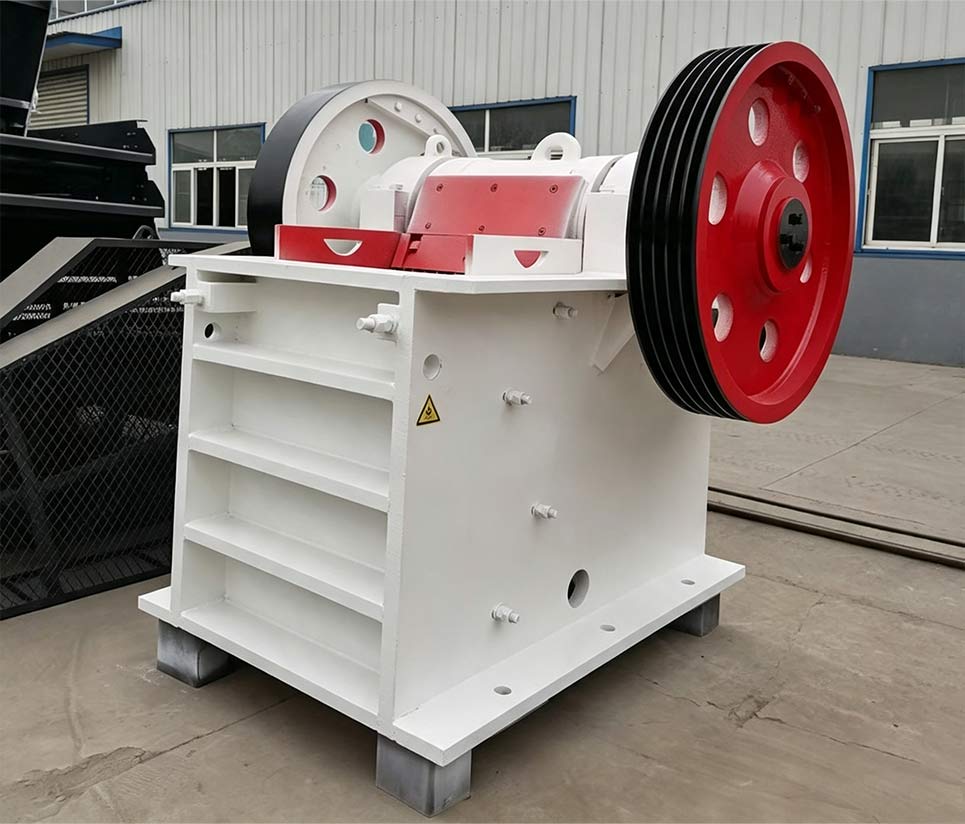
Basalt behaves much like granite: Mohs 6-7, abrasive, and it demands a
jaw-plus-cone circuit. Our Indonesia 300 t/h basalt project in Lampung,
Sumatra is a good illustration of the standard approach.
Material : Basalt, Mohs 6-7
Configuration : PEV1000 jaw + HP300 cone + VSI900 sand maker
+ YK vibrating screen
Products : 0-5, 5-10, 10-20 and 20-31.5 mm
Capacity : 300 t/h design, 320 t/h achieved
Special requirements: Tropical anti-corrosion design and local operator
training
Note the third stage — a VSI sand maker. On hard rock, basalt aggregate for
concrete is often accompanied by a manufactured sand product, and the VSI is
what gives the sand its cubical shape and adjustable fineness. This is a
three-stage flow, and it is typical for hard-rock aggregate plants serving
highway and concrete markets.
Limestone is the material that lets you spend less. At Mohs 3-4 it is
relatively soft and low in abrasiveness, which opens up the impact family:
Primary : PE or PEV jaw crusher
Secondary : PF impact crusher, or PCZ heavy hammer crusher
Screening : Circular or linear vibrating screen
Sand : VSI sand maker where manufactured sand is required
Where the material is soft and not too abrasive, a heavy hammer crusher can
combine primary and secondary crushing in one machine, which cuts the number
of stages, the capital cost and the maintenance points. That is a genuine
saving — but it only works when the material is genuinely suitable.
Our Saudi Arabia 500 t/h limestone aggregate project near Dammam uses a
different route suited to very high capacity:
Material : Limestone, Mohs 3-4
Configuration : PEV1200 jaw + 2 × HP400 cone + 3 × YK vibrating screen
Products : 0-5, 5-16, 16-26.5 and 26.5-31.5 mm
Capacity : 500 t/h
Environment : Desert conditions above 50°C, with dust-proof and remote
monitoring design
This shows an important point: limestone does not always mean “impact
crusher”. Where the specification demands a consistent, cubical aggregate at
high tonnage, a cone crusher is still the better choice for the secondary
stage. Material is the first filter, not the only one.
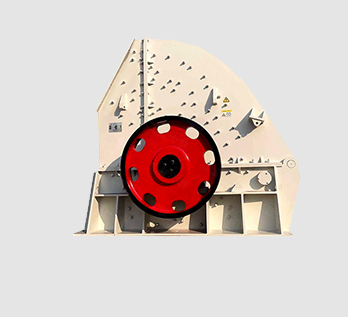
Factor Granite / Basalt Limestone
Hardness (Mohs) 6-7 3-4
Abrasiveness High Low to medium
Primary crusher Jaw (PE / PEV) Jaw (PE / PEV)
Secondary crusher Multi-cylinder cone Impact or hammer, or cone
Wear cost High Low to medium
Product shape Good (with cone) Good (cube-rich)
Typical stages 2 or 3 2 (or 1 with a hammer)
Best machine family Cone-led Impact-led or hammer-led
What is my material and its Mohs hardness? This sets the crusher family.
What are my finished product sizes and shape requirement? This sets the
number of stages.
What capacity and destination? This sets the model and the logistics.
Answer those three and the configuration is largely determined. Everything
else — brands, colours, optional extras — is detail.
Q: Can I use an impact crusher on granite?
A: It is not recommended. Granite’s hardness and abrasiveness wear blow bars
quickly, making the running cost high. A cone crusher is the standard
choice for hard rock.
Q: What crusher for limestone?
A: A jaw crusher for primary, then an impact crusher or heavy hammer crusher
for secondary where the material is suitable. At high capacity and a
tight shape spec, a cone crusher can be the better secondary choice.
Q: Do I need a VSI for granite and basalt?
A: Only if you are producing manufactured sand, or if the shape requirement
is very strict. For aggregate alone, a jaw-plus-cone flow is often enough.
Q: How many stages does my plant need?
A: Two stages for a simple aggregate product, three for hard rock plus
manufactured sand or a tight shape specification.
Q: Which material is cheapest to process?
A: Limestone, generally, because it is softer and less abrasive and can be
handled with an impact or hammer crusher, which reduces wear cost.
Tell us your material and its hardness, your required product sizes and
your target capacity. Our engineers will recommend the crusher family and
the flowsheet — with real project examples in similar material.
Email : info@aonmining.com
WhatsApp : +86 166 3833 7976
Website : www.aonmining.com
AON Mining Equipment Co., Ltd. — Zhengzhou, China
19 years in aggregate and mining equipment, 300+ EPC projects delivered.