
email
info@aonmining.comCALL US
+8616638337976
CALL US
+8616638337976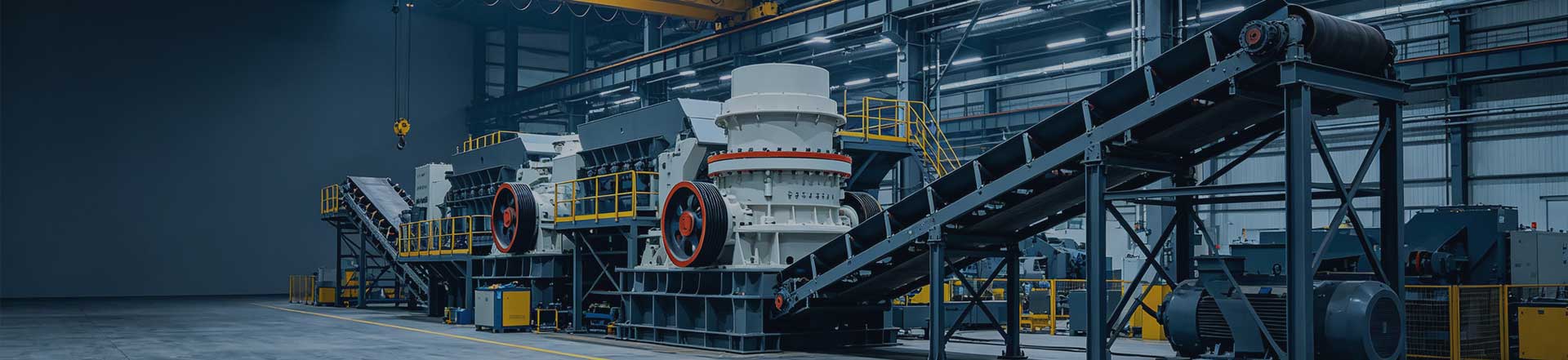
For primary crushing, the jaw crusher is almost always the right choice. Its large feed opening and high reduction ratio let it accept run-of-mine rock up to 1,000 mm and reduce it to a size a cone crusher can handle. The cone crusher is a secondary and tertiary machine — it produces better particle shape and lower wear cost, but its feed opening is too small for blasted rock. In most aggregate plants the two work together: jaw crusher first, cone crusher second. One example is our 300 t/h basalt crushing plant in Indonesia, which runs the same jaw-plus-cone combination.
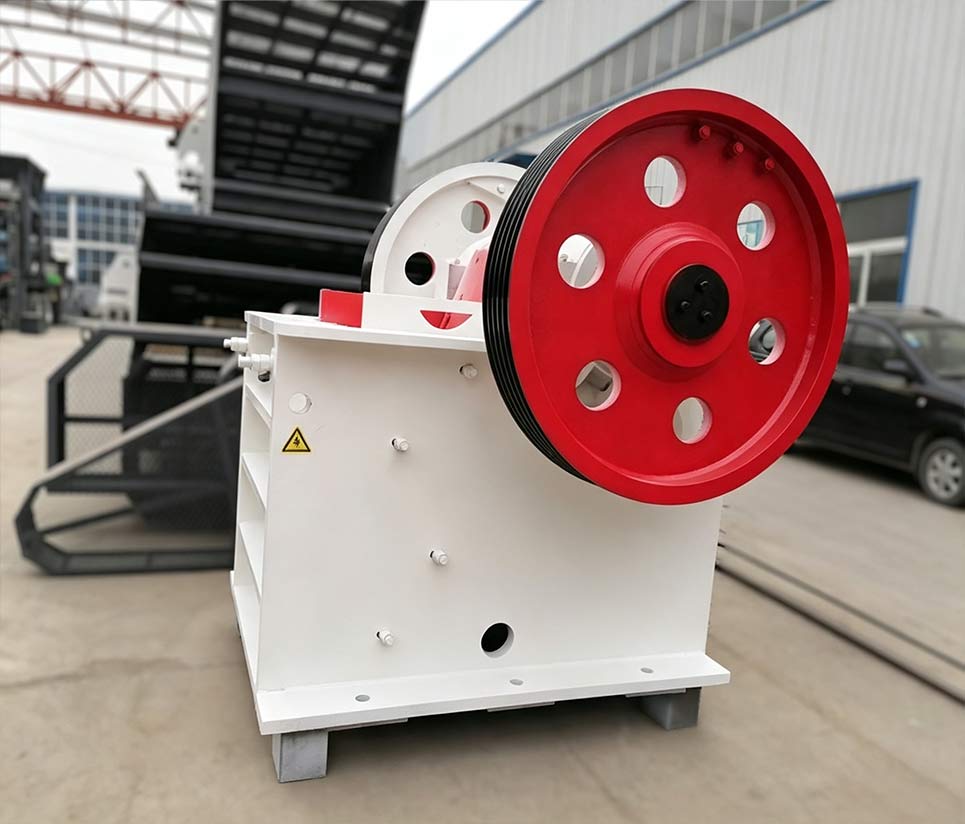
A jaw crusher breaks rock between a fixed jaw and a moving jaw. The moving jaw swings back and forth, compressing and splitting the material against the fixed one. Because the crushing action happens at the very top of the chamber, the machine can accept very large, irregular lumps — which is exactly what comes out of a blast.
Typical specifications:
Feed opening: 400 x 600 mm up to 1,200 x 1,500 mm
Maximum feed size: 350 mm up to 1,000 mm
Output size range: 40 mm up to 300 mm
Capacity: 30 t/h up to 800 t/h
Crushing stage: primary
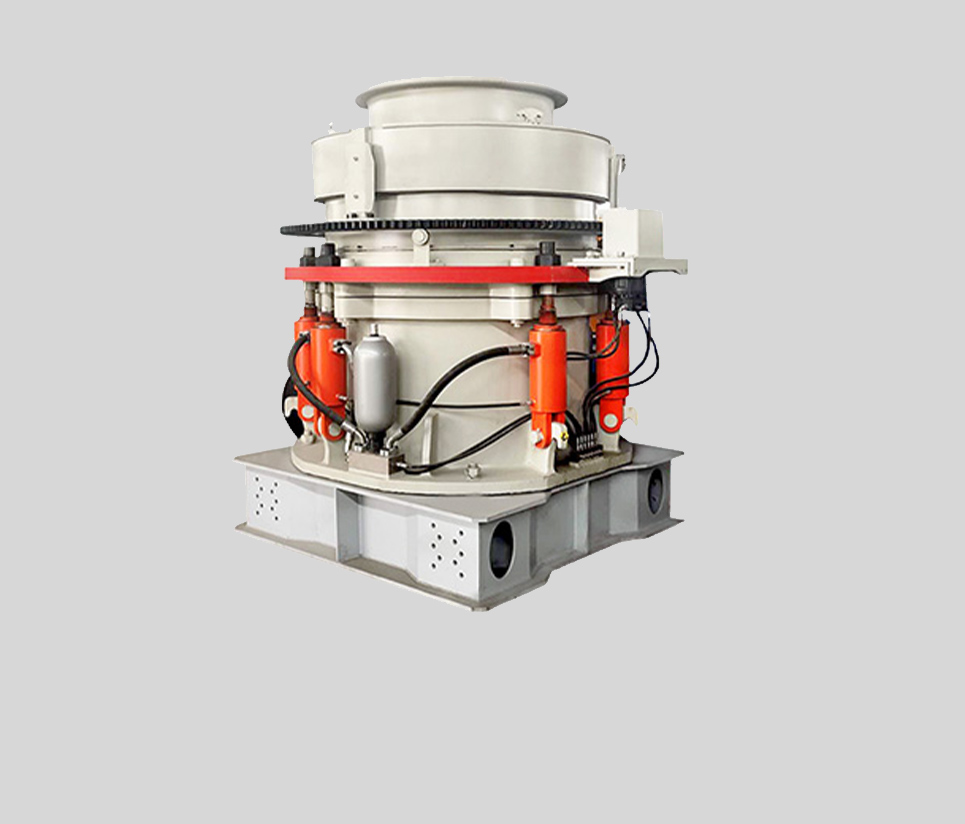
A cone crusher crushes by lamination. A mantle rotates eccentrically inside a concave bowl, and the material is squeezed repeatedly as it travels down the chamber. This inter-particle compression produces a cubical product with a low flake content and spreads wear over a large surface, so the cost per tonne of wear parts is lower than a jaw crusher.
Typical specifications:
Feed opening: 80 mm up to 300 mm
Maximum feed size: 70 mm up to 250 mm
Output size range: 5 mm up to 50 mm
Capacity: 40 t/h up to 600 t/h
Crushing stage: secondary / tertiary
For hard and abrasive rock such as granite and basalt, a multi-cylinder hydraulic cone crusher is usually preferred. For medium-hard material with a high fines requirement, a single-cylinder machine is often the more economical choice.
Every other difference follows from one thing: the mechanism.
Jaw crusher: compression and splitting between two plates
Cone crusher: inter-particle lamination inside a chamber
Splitting is what allows a jaw crusher to eat big, blocky feed. Lamination is what gives a cone crusher its cubical output and long wear life. This is why the two machines are not competitors — they solve different problems in the same flowsheet.
| Factor | Jaw Crusher | Cone Crusher |
| Crushing stage | Primary | Secondary / Tertiary |
| Max feed size | Up to 1,000 mm | Up to 250 mm |
| Reduction ratio | 4:1 to 6:1 | 4:1 to 8:1 |
| Product shape | Flaky, elongated | Cubical, low flake |
| Wear cost per tonne | Higher | Higher | Lower |
| Sensitive to wet feed | No | Yes (can block) |
| Capital cost | Lower | Higher |
| Best for | Blasted rock, first stage | Hard rock, final sizing |
Factor | Jaw Crusher | Cone Crusher
Crushing stage | Primary | Secondary / Tertiary
Max feed size | Up to 1,000 mm | Up to 250 mm
Reduction ratio | 4:1 to 6:1 | 4:1 to 8:1
Product shape | Flaky, elongated | Cubical, low flake
Wear cost per tonne | Higher | Lower
Sensitive to wet feed | No | Yes (can block)
Capital cost | Lower | Higher
Best for | Blasted rock, first stage | Hard rock, final sizing
The jaw crusher. Three reasons:
Feed opening. A primary machine must accept whatever the loader or excavator delivers. A 600 x 900 mm jaw accepts lumps up to 500 mm; a comparable cone crusher would need that material pre-screened.
Tolerance of slabby feed. Blasted rock arrives in awkward, flat, elongated pieces. The jaw’s splitting action handles them without bridging. A cone crusher chamber can choke on the same material.
Cost per tonne at coarse sizes. For the same throughput at a coarse setting, a jaw crusher costs less to buy and less to maintain.
There are real cases where a cone crusher takes the first stage:
The quarry sells screened all-in feed below 200 mm
You are processing river gravel that is already naturally rounded and small
A mobile cone unit is fed by an excavator with a screening bucket
The plant is a tertiary-only operation reprocessing stockpiles
If your feed is already small, starting with a jaw crusher adds a stage, capital cost and maintenance point for no benefit.
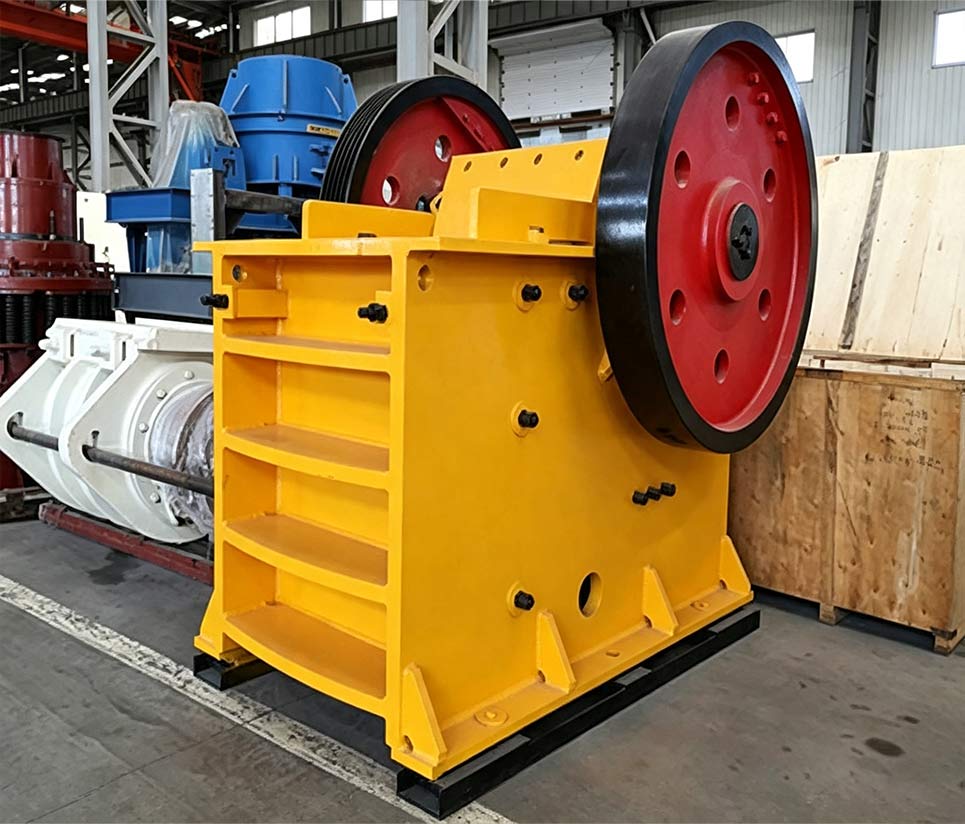
Configuration 1: Jaw + Cone + Screen — for hard rock (granite, basalt) producing aggregate and manufactured sand. 2 or 3 stages depending on product requirements.
Configuration 2: Jaw + Impact + Screen — for medium-hard material such as limestone. Lower capital cost and a higher fines ratio.
Configuration 3: Mobile (Tracked or Wheel-Mounted) — for contractors working across several sites or for short-term projects. One unit or a combination of jaw, cone and screen modules.
Typical capacities across these configurations run from 50 t/h to 500 t/h.
Q: Can a cone crusher be used as a primary crusher?
A: Yes, when the feed is already reduced in size and screened. In hard rock quarries the standard practice remains jaw first, cone second.
Q: Which machine produces better particle shape?
A: The cone crusher, because lamination crushes rock against rock and leaves fewer flat or elongated pieces.
Q: What is the maximum feed size for a jaw crusher?
A: It depends on the feed opening. As a rule, the maximum feed size is about 80% of the feed opening width. A 600 x 900 mm jaw accepts approximately 500 mm lumps.
Q: Is a jaw crusher or a cone crusher cheaper to run?
A: Per tonne of product at a coarse setting, the jaw crusher. At fine settings and in hard abrasive rock, the cone crusher’s lower wear cost overtakes it.
Q: How do I know which configuration my project needs?
A: It depends on four things: material type and hardness, maximum feed size, required output size, and target capacity. Send us those four details and our engineers will propose a flowsheet.
Send us your material type, maximum feed size, target output size and required capacity. Our engineers will come back with a recommended flowsheet and a quotation, usually within 24 hours.
Email: info@aonmining.com
WhatsApp: +86 166 3833 7976
Website: www.aonmining.com
AON Mining Equipment Co., Ltd. — Zhengzhou, China
19 years in aggregate and mining equipment, 300+ EPC projects delivered.